
How Depression Affects Pain Perception
- Home
- How Depression Affects Pain Perception
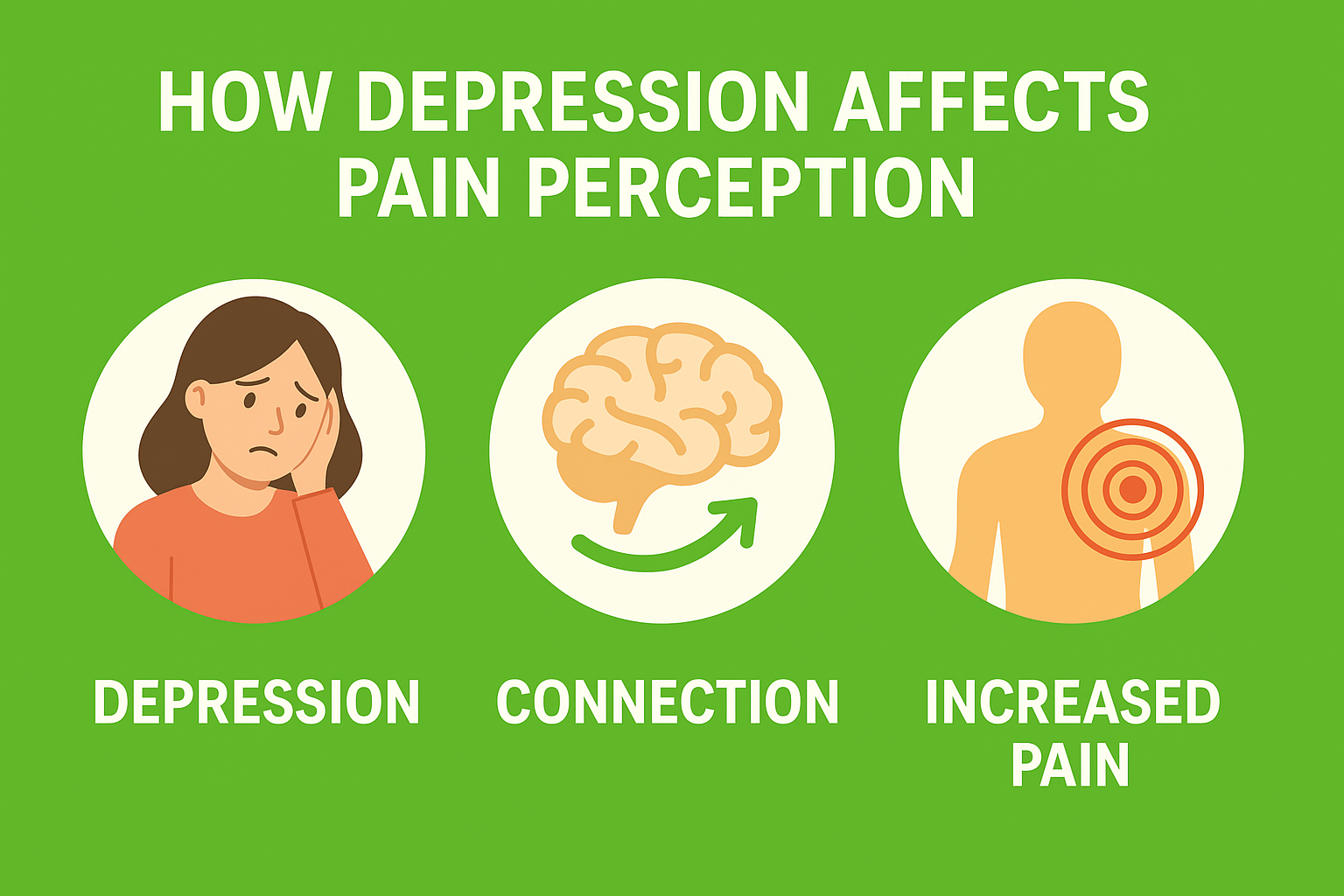
How Depression Affects Pain Perception
Pain isn’t just physical—it’s emotional too. If you’ve ever noticed your pain feels worse when you’re feeling down, anxious, or stressed, that’s not a coincidence. Depression can significantly increase how we feel and respond to pain.
At Affection Health Care, we take a whole-person approach to pain management. We understand the link between emotional health and physical symptoms—and we’re here to help you treat both. Here’s how depression affects pain, and what can be done to improve both your mood and your comfort.
🧠 The Mind-Body Pain Connection
Depression and pain share the same pathways in the brain, especially in areas that regulate:
- Mood
- Sleep
- Stress response
- Inflammation
- Pain perception
When you’re depressed, the brain may:
- Increase sensitivity to pain signals
- Decrease natural pain blockers (endorphins)
- Cause muscle tension and fatigue
- Disrupt sleep, which worsens pain
- Lower motivation to stay active or seek care
This creates a cycle of pain and sadness that can be hard to break.
🔁 The Pain–Depression–Pain Cycle
- Chronic pain causes frustration and helplessness
- Depression develops or worsens
- Pain sensitivity increases
- Daily functioning decreases
- Sleep and motivation suffer
- The cycle repeats
Without support, both pain and depression can become more severe.
🔍 Signs That Depression May Be Affecting Your Pain
- Your pain feels worse when you’re emotionally low
- You feel tired all day despite resting
- You’ve lost interest in activities you used to enjoy
- You feel more irritable, hopeless, or withdrawn
- Sleep is disrupted by both pain and sadness
- You’re avoiding care, social contact, or physical activity
🏥 How We Help at Affection Health Care
We never treat pain like it’s “just in your head”—but we do know that healing your emotional health supports your physical recovery. Our integrated approach includes:
✅ 1. Comprehensive Pain Evaluation
We assess both the physical and emotional impact of pain, including how long it’s lasted and how it affects daily life.
✅ 2. Non-Opioid Pain Relief Options
- Trigger point or joint injections
- Non-addictive medications for nerve or joint pain
- Safe treatments that don’t worsen mood or cause dependence
✅ 3. Depression-Sensitive Care Plans
- We screen for signs of depression or anxiety
- We refer to trusted behavioral health providers if needed
- We support the use of dual-purpose medications (like duloxetine) that address both pain and mood
✅ 4. Lifestyle & Emotional Support
We guide you in building small routines that reduce both pain and emotional stress:
- Gentle movement
- Deep breathing or meditation
- Better sleep habits
- Support from friends, family, or support groups
💬 You’re Not Alone
Many patients silently suffer with both pain and depression—and both are treatable.
Whether your pain started first or your emotional struggles did, they influence one another. You don’t have to push through it alone.
📅 Let us help you treat the whole you. Schedule your appointment at AffectionHealth.com
📞 Call: (350) 216-5774
Affection Health Care
Your pain is real. Your healing is possible. We’ll walk with you every step of the way.
- Share
