
What Happens During an Annual Physical Exam | Modesto
- Home
- What Happens During an Annual Physical Exam | Modesto
What Happens During an Annual Physical Exam | Modesto
You Made the Appointment — Now What?
A lot of people put off their yearly checkup because they are not sure what to expect. Will there be shots? Blood tests? Will the doctor find something scary? It is normal to feel a little nervous before any medical visit. But knowing what happens during an annual physical exam can help you feel calm and ready. The good news is that a yearly checkup is mostly about keeping you healthy — not just finding problems.
Think of your annual physical as a tune-up for your body. Just like a car needs regular maintenance to run well, your body needs regular check-ins to stay at its best. This visit gives your provider a chance to catch small issues before they become big ones, update your vaccines, and talk about anything that has been on your mind health-wise.
Before You Even See the Provider
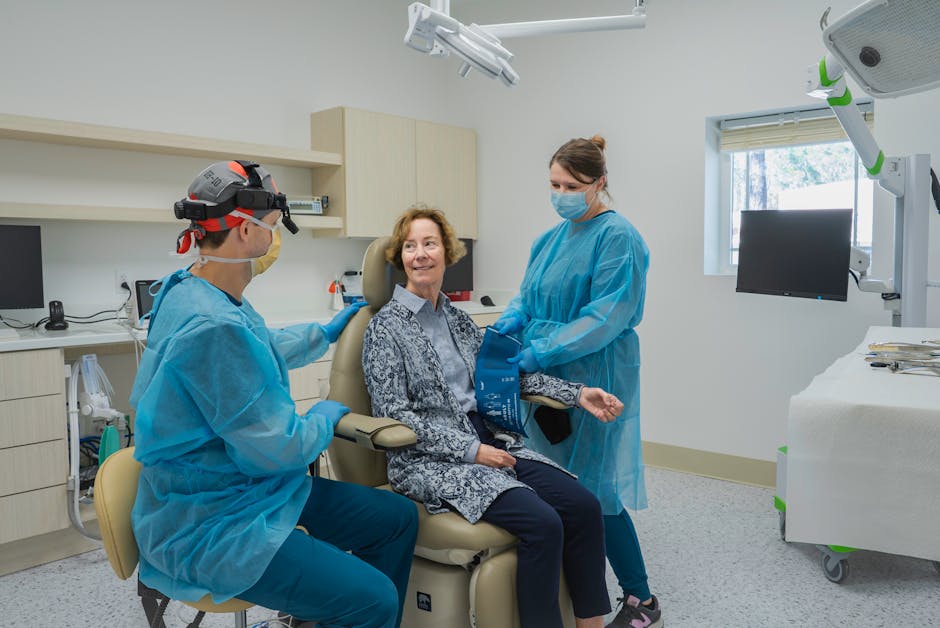
When you arrive for your physical, a medical assistant will start by taking some basic measurements. This usually includes your height, weight, and blood pressure. They will also check your pulse and may measure your oxygen level with a small clip on your finger. These numbers give your provider a quick snapshot of how your body is doing.
You will likely be asked to fill out or review a health history form. This is where you list any medications you take, allergies you have, and any health concerns you want to discuss. It helps to write these things down before your visit so you do not forget anything. If you have had health problems in the past, bring a list of your previous diagnoses, surgeries, or hospitalizations.
You may also be asked about your family history. Knowing that a parent or sibling had heart disease, diabetes, or cancer helps your provider understand your personal risk. This information shapes which screenings or tests might be right for you.
The Head-to-Toe Physical Examination
Once your provider comes in, they will go through a full physical exam. This typically includes looking at your eyes, ears, nose, and throat. They will feel your neck for any swollen lymph nodes or thyroid issues. They will listen to your heart and lungs with a stethoscope to check for any unusual sounds.
Your provider will also press gently on your abdomen to check your organs and look for any tenderness or swelling. They may check your reflexes and test basic nerve function. For women, this visit may include a breast exam and a discussion about when to schedule a Pap smear or mammogram. For men, the provider may check for hernias or discuss prostate health depending on age.
Your skin may be looked at for any unusual moles or changes. Your provider will note anything that may need follow-up. The whole exam usually takes about 20 to 30 minutes, though it can be longer if there are more concerns to address.
Lab Work and Health Screenings
Depending on your age, sex, and health history, your provider may order blood work or other tests. Common lab tests during an annual physical include a complete blood count, a metabolic panel to check kidney and liver function, cholesterol levels, and a blood sugar test to screen for diabetes. These tests can reveal problems that you cannot feel yet.
Screenings are also an important part of the yearly visit. The United States Preventive Services Task Force (USPSTF) recommends specific screenings based on your age and risk factors. For example, adults over 45 are often advised to get screened for colorectal cancer. Adults with high blood pressure risk may need more frequent monitoring. Your provider will go over which screenings make sense for you.
Some screenings are done right in the office, like blood pressure checks or simple vision tests. Others may require a separate appointment, like a colonoscopy or a mammogram. Your provider will explain what you need and help you understand the next steps.
Talking About Your Lifestyle
An annual physical is not just about your body — it is also about how you live. Your provider will ask questions about your diet, exercise habits, sleep, stress levels, and any use of tobacco, alcohol, or other substances. These conversations are not meant to judge you. They are meant to help.
If you are struggling with weight, your provider can talk about options for healthy weight management. If you are feeling anxious or depressed, this is a good time to bring that up. Mental health is a real part of physical health, and your provider wants to know how you are doing in all areas of your life.
Be honest during this part of the visit. Your provider has heard it all before and is there to support you. The more honest you are, the better care they can give you.
Vaccines and Preventive Care
Your provider will review your vaccination history and let you know if you are due for any updates. Common adult vaccines include the flu shot, the Tdap booster, the shingles vaccine for adults over 50, and COVID-19 updates as recommended. Staying current on vaccines is one of the simplest ways to protect your health.
This is also a good time to talk about preventive medications if needed. For example, some adults at risk for heart disease may benefit from a low-dose aspirin or a statin. Your provider will weigh the benefits and risks with you personally.
Making the Most of Your Visit
Come prepared with questions. Write them down before your appointment so you do not forget. Bring your insurance card, a list of current medications, and any records from recent specialist visits. Wear comfortable clothing that is easy to change out of if needed.
If you are in the Modesto area and looking for a caring provider for your annual physical, Affection Health Care offers comprehensive primary care services for adults and families. The team there takes time to get to know you and your health goals.
Remember, your annual physical is one of the best investments you can make in your long-term health. It does not have to be something you dread — it can actually be something you look forward to as a time to check in, ask questions, and take charge of your well-being.
References
- U.S. Preventive Services Task Force. “Recommendations for Primary Care Practice.” USPSTF. 2023.
- Centers for Disease Control and Prevention. “Adult Immunization Schedule.” CDC. 2024.
- Mayo Clinic Staff. “Yearly Physical Exam: What to Expect.” Mayo Clinic. 2023.
- American Academy of Family Physicians. “Periodic Health Examinations.” AAFP. 2022.
- National Institutes of Health. “Preventive Health Care.” MedlinePlus, National Library of Medicine. 2023.
Ready to take charge of your health?
Book an appointment with our Board-Certified Nurse Practitioner. In-person and telehealth options available. Most insurance accepted including Medicare.
Call us at (350) 216-5774 — Affection Health Care, Modesto CA
- Share
